Around 15,000 stalls across 27 numbered sections — clothing, ceramics, plants, antiques, secondhand oddities and a great deal of food. One of the largest markets in the world.
Best time: Saturday and Sunday, 09:00–18:00. Go early for the heat.
Cost: Budget
Tip: Photograph the section map at the gate. Bargain from about 60% of the asking price on clothing and souvenirs; food and plants are fixed.
Watch outBranded goods here are counterfeit almost without exception. Sellers describing wooden carvings or bronzes as antiques are describing this week's stock — genuine antiques cannot legally leave Thailand without a Fine Arts Department licence.
Eight floors of small independent units — phones, accessories, luggage, clothing and tailoring. Prices are negotiable, which is unusual for a mall and is the reason to come.
Tip: The phone floor is the fourth. Ask for the price twice — the first is the tourist price and the second is usually 20–30% lower.
Watch outElectronics are frequently refurbished, grey-market or region-locked and sold as new. Power the device on, check the IMEI and confirm the warranty is Thai before paying. Repairs on a grey unit are refused by the official service centre.
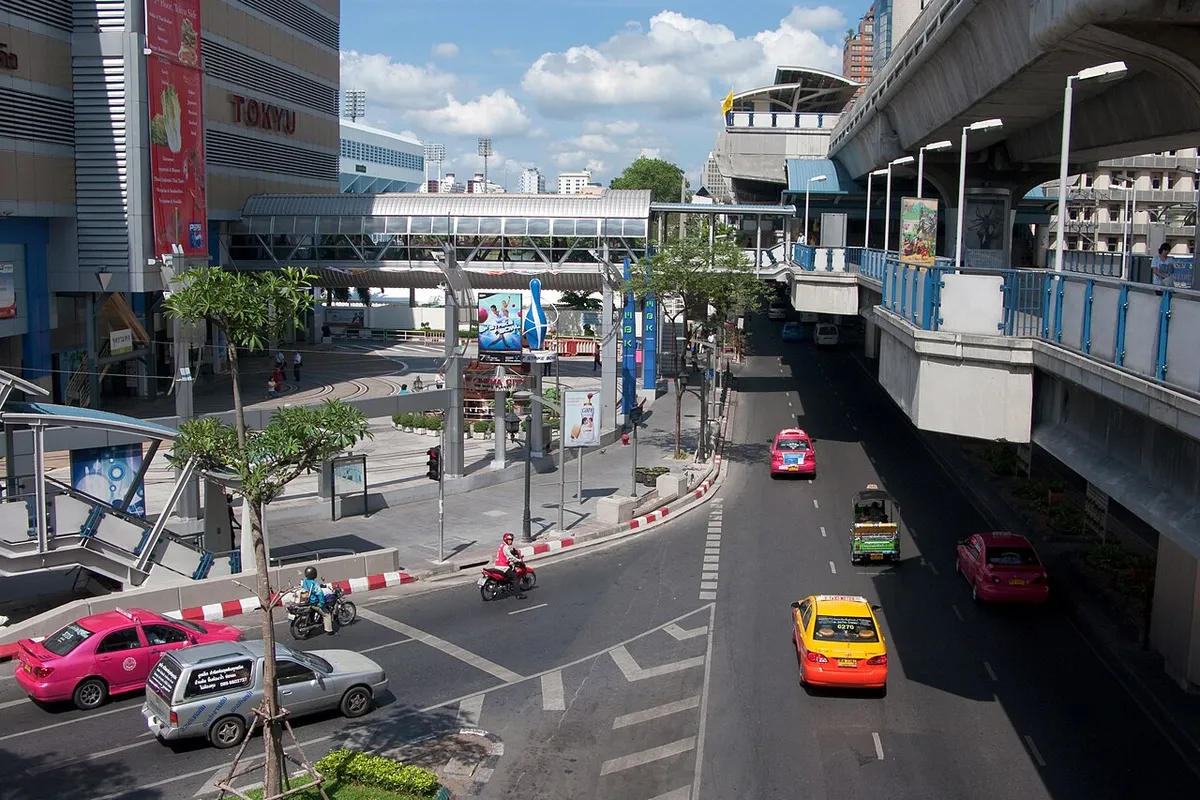
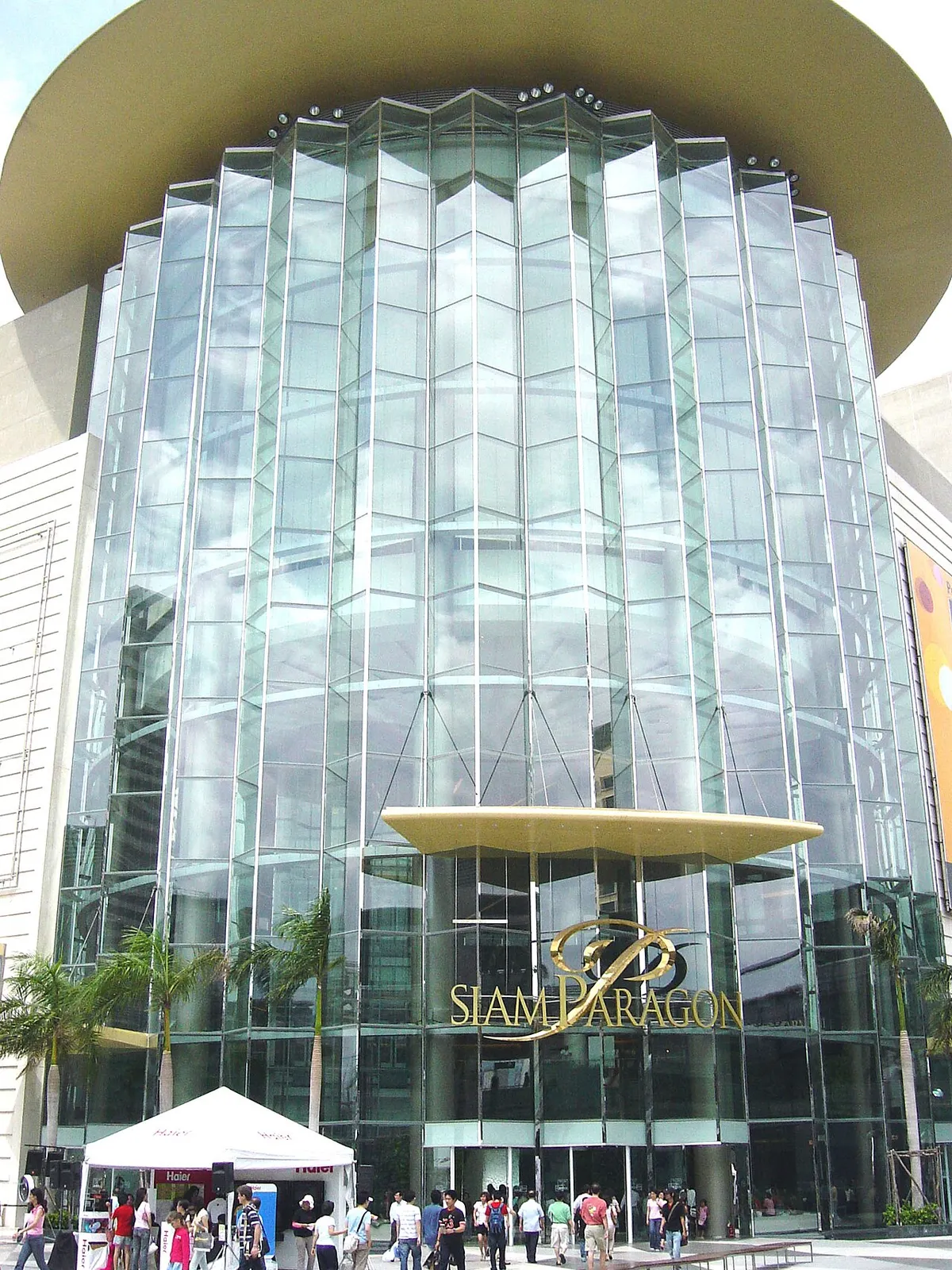
Bangkok's flagship luxury malls, connected under one roof at the BTS interchange — international houses, a large food hall and an aquarium in the basement.
Tip: Foreign passport holders can claim VAT back at the airport on purchases over 2,000 THB per store per day. Ask for the P.P.10 form at the till, not afterwards.
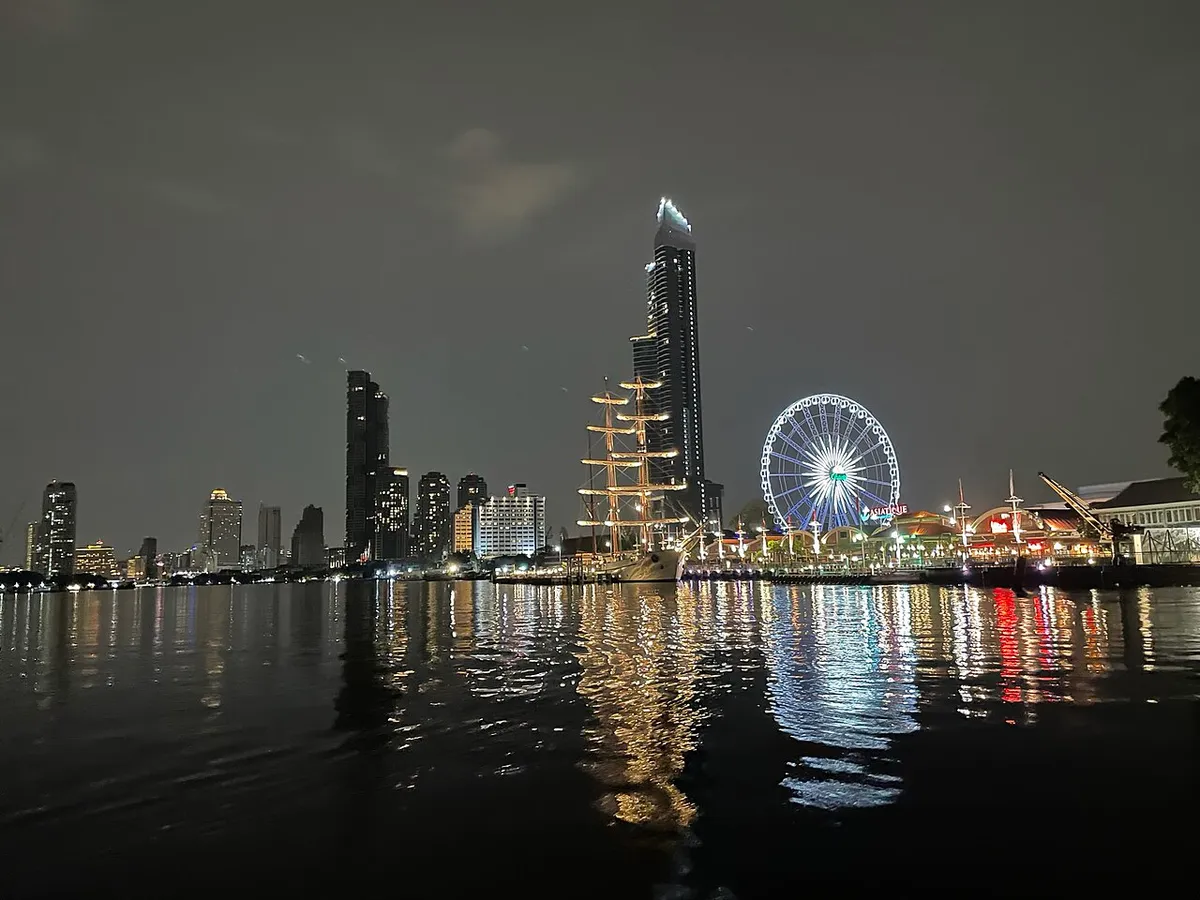
An open-air night market built into converted riverside warehouses — around 1,500 units, restaurants and a Ferris wheel. Calmer and more expensive than a street market.
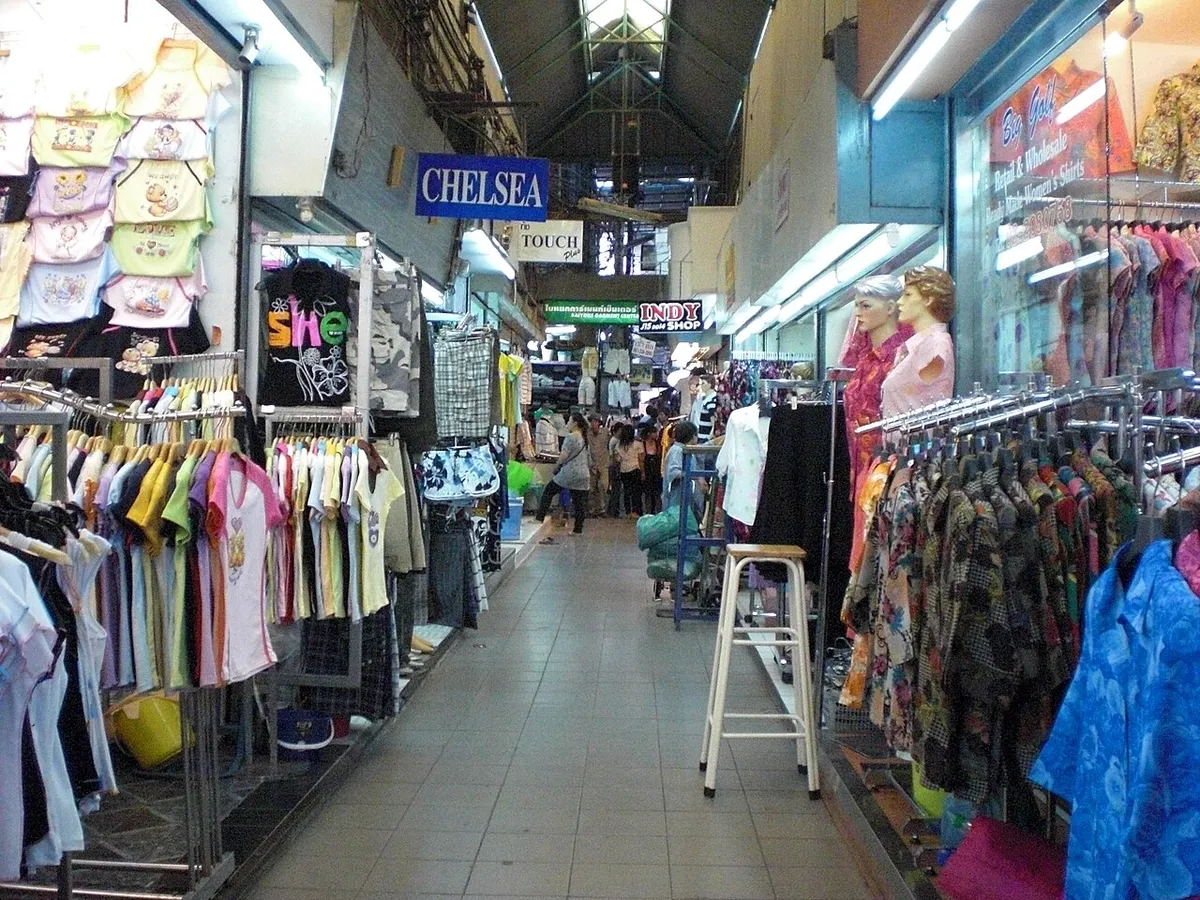
The wholesale clothing district — indoor warren plus the Platinum Fashion Mall. Where Bangkok's own retailers buy stock, so prices fall sharply on volume.